The Essential Guide to School First Aid Supplies: Keeping Students Safe Every Day
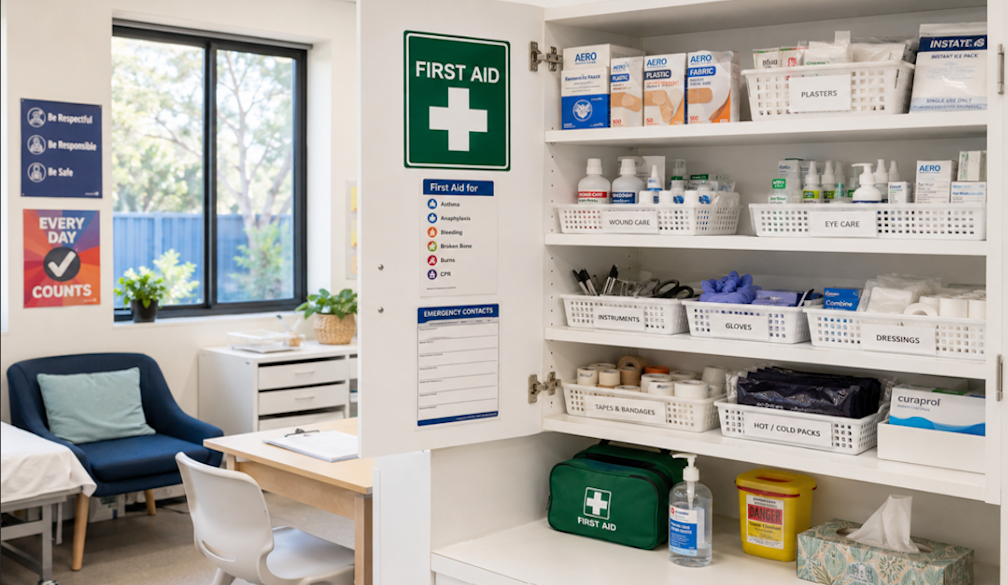
Every school day, thousands of Australian students skin their knees on the oval, twist an ankle on the basketball court, or experience a sudden allergic reaction in the classroom. For teachers, school nurses, and administrators, being prepared for these moments isn't just best practice; it's a legal and ethical responsibility. Having the right school first aid supplies on hand can be the difference between a minor incident and a medical emergency. Yet despite this, many schools across Australia are still working with outdated kits, missing key items, or relying on inadequate supplies that simply won't cut it when it counts.
This guide is designed for schools, school medical officers, and suppliers who want to understand exactly what constitutes a well-stocked, compliant first aid setup in an Australian educational environment. Whether you manage a small primary school or a large secondary campus, the principles are the same: the right supplies, properly maintained, and accessible when needed.
Why School First Aid Readiness Matters More Than Ever
Australian schools are governed by a patchwork of state and territory requirements, but one thing is consistent across all jurisdictions: schools must maintain adequate first aid facilities and trained personnel. The number of students with diagnosed medical conditions, from anaphylaxis to asthma, diabetes, and epilepsy, has increased significantly over the past decade. At the same time, schools are expected to manage these conditions with greater precision and accountability.
This means the demands on first aid supplies have evolved beyond the standard plaster and antiseptic kit. Modern school first aid requires purpose-built resources that reflect the realities of today's student health landscape.
Beyond compliance, there's the human factor. When a child is injured or suddenly unwell, the speed and quality of the initial response shape the outcome. A well-stocked, clearly organised first aid kit gives whoever responds, teacher, school nurse, or administrator, the tools they need to act confidently and effectively.
What Should Be in a School First Aid Kit?
Not all first aid kits are created equal. A kit designed for a construction site has very different requirements from one intended for a primary school classroom. When assessing school first aid supplies in Australia, there are several categories of items that should always be present.
Wound Care Essentials
- Adhesive dressings in multiple sizes
- Nonadherent wound dressings
- Conforming bandages and triangular bandages
- Sterile gauze swabs and wound closure strips
- Antiseptic solution or wipes
- Disposable gloves (nitrile, not latex due to allergy risk)
Allergy and Anaphylaxis Response
Anaphylaxis is a life-threatening allergic reaction that can occur within minutes of exposure to a trigger. Australian schools with students on anaphylaxis management plans must maintain prescribed adrenaline autoinjectors according to the child's Action Plan. In addition to prescribed devices held for specific students, many schools now keep ASCIA-recommended generic adrenaline autoinjectors as part of their emergency stock.
Breathing and Airway Management
A pocket face mask or CPR face shield should be included for any scenario requiring resuscitation. Schools with a higher duty of care, particularly those with students with known cardiac or respiratory conditions, may also benefit from having access to a defibrillator.
How Many Kits Does a School Actually Need?
This is one of the most commonly asked questions from school administrators, and the answer depends on several factors: the size of the school, the layout of the campus, the range of activities undertaken, and the number of students with individual health management plans.
As a general guide, most schools should consider the following approach:
- A central, comprehensive kit located in the school's health room or administration area
- Smaller portable kits for classrooms, especially early childhood and primary settings
- A dedicated sports and excursion kit for activities held offsite or on the oval
- Individual packs for students with complex health needs who may travel with the student
The key principle is proximity; the relevant supplies need to be accessible within 3–4 minutes of any incident across the entire campus. On larger campuses, this may mean multiple strategically placed kits rather than relying on a single central resource.
Compliance, Maintenance, and Auditing Your Supplies
Purchasing the right supplies is only half the job. Maintaining them is equally critical. A first aid kit with expired items, missing components, or depleted stock is effectively useless in an emergency and may expose the school to liability.
Best practice maintenance for school first aid supplies includes:
- Conducting a full inventory check at the start of each school term
- Replacing any used, expired, or damaged items promptly after use
- Keeping a written log of kit inspections and restocking for audit purposes
- Ensuring all staff know where kits are located and how to access them quickly
- Reviewing kit contents annually against updated Australian first aid guidelines
Schools sourcing from specialist suppliers will often find that purpose-built school kits come preconfigured to meet these requirements, reducing the administrative burden of building a compliant kit from scratch.
Equipping Staff: Training Alongside Supplies
Even the most comprehensively stocked kit is only as effective as the person using it. Australian state education departments and independent school bodies generally require designated first aid officers on staff, with current qualifications such as HLTAID012 (Provide First Aid in an Education and Care Setting).
Beyond the minimum requirement, there's significant value in broader first aid awareness training across teaching and support staff. When any staff member, not just the designated first aid officer, can recognise an anaphylactic reaction, apply correct wound management, or perform CPR with confidence, the school's overall safety culture improves markedly.
Training and supplies go hand in hand. Staff who are trained but working with inadequate supplies are constrained. Equally, well-stocked kits are wasted in the hands of staff who lack the confidence to use them. Schools that invest in both will always be better positioned to handle the unexpected.
Choosing the Right Supplier for Your School
When it comes to sourcing first aid products for educational environments, not all suppliers offer the same level of product specificity, quality assurance, or compliance guidance. Schools should look for suppliers who understand the unique requirements of educational settings, can provide products that meet Australian Standards, offer clear expiry date management, and provide customer support for compliance and procurement queries.
Purpose-built school kits from reputable Australian suppliers typically include clearly labelled sections, colour-coded contents, and documentation aligned with state-based first aid requirements. This takes the guesswork out of procurement and ensures staff can locate the right item quickly under pressure.
Conclusion
A school's first aid readiness isn't something that should be left to chance or ad hoc decisions. It requires deliberate planning, appropriate procurement, regular maintenance, and staff education. In an environment where children's health and safety are paramount, having the right school first aid supplies isn't just a compliance box to tick — it's a fundamental expression of the duty of care every school owes to its students.
By approaching first aid supply management with the same rigour applied to curriculum or facilities maintenance, schools can ensure they're truly prepared when incidents occur. Students, parents, and staff deserve nothing less than a well-equipped, well-maintained, and well-understood first aid capability, available every single day.