Finding the Right Disability Housing in Perth: What You Need to Know
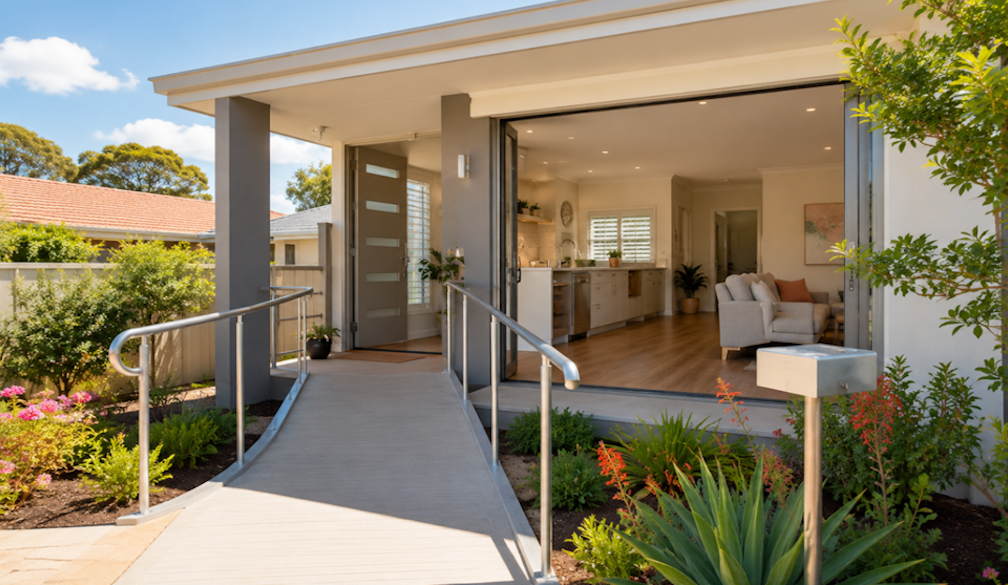
If you or someone you care for is living with a disability in Perth, finding suitable housing can feel like one of the most daunting steps in the journey toward greater independence. The reality is that the right home environment has a profound impact on quality of life, not just physically, but emotionally, socially, and in terms of day-to-day well-being. Yet navigating Australia's disability housing landscape is rarely straightforward.
Perth has seen significant growth in the availability of disability housing options over recent years, largely driven by the National Disability Insurance Scheme (NDIS) and a stronger national focus on supported independent living. Still, the process of identifying the right fit, the right location, the right level of support, and the right type of dwelling can be overwhelming without a clear understanding of what is available.
This guide is designed to help people with disability, and those who support them, understand the key options, what to look for, and how to take the next step with confidence.
Understanding Disability Housing in Perth
Disability housing in Perth refers to a broad range of accommodation options designed to support people with disabilities to live as independently as possible. These options exist across a spectrum from supported residential facilities with round-the-clock care to independent living arrangements with light-touch assistance.
Under the NDIS, eligible participants may access funding that contributes to their accommodation costs, depending on their individual needs and plan. This has made disability housing more accessible than ever before, though understanding the system remains a genuine challenge for many families.
The main types of disability accommodation in Perth include:
- Supported Independent Living (SIL): Funding for support workers who assist participants with daily tasks in a shared or individual home setting
- Specialist Disability Accommodation (SDA): Purpose-built or significantly modified homes designed for people with extreme functional impairment or very high support needs
- Medium-Term Accommodation (MTA): Short-term housing while a more permanent solution is arranged
- Short-Term Accommodation (STA): Respite and temporary stays, often used to give both the participant and their primary carer a break
Each of these serves a distinct purpose, and the right option will depend on the individual's NDIS plan, their functional capacity, and their personal goals.
What Makes a Good Disability Housing Option?
When assessing disability housing in Perth, there are several factors worth examining carefully before making a decision.
Location and Community Connection
Being close to public transport, healthcare services, shops, and recreational facilities matters enormously. A well-located home supports participation in the community -- something the NDIS explicitly values as part of its focus on social and economic inclusion.
Perth's suburbs vary considerably in terms of accessibility infrastructure. It is worth checking whether the local area has footpaths suitable for wheelchairs, nearby bus routes with accessible stops, and access to allied health providers.
Quality of the Physical Environment
Not all disability housing is equal in terms of design and modification. Some properties are purpose-built with wide doorways, roll-in showers, ramp access, and smart home features; others are standard homes with modifications added over time.
Look closely at:
- Ceiling hoist compatibility or installation
- Accessible kitchen and bathroom layouts
- Emergency and safety systems
- Proximity to outdoor spaces
The quality of the physical environment directly affects the level of support required and the participant's ability to live as autonomously as possible.
The Support Model Attached to the Housing
In many cases, disability housing options come bundled with a support model or at least a preference for working with particular support providers. Understanding how that support model works, how shifts are staffed, and how much flexibility exists for the participant to make decisions about their daily routine is essential.
The best disability housing arrangements are those where the participant genuinely feels in control of their own life, rather than simply being managed within a system.
The Role of the NDIS in Funding Disability Housing
For most people seeking disability accommodation in Perth, the NDIS is the primary funding pathway. It is worth understanding the distinction between how the scheme funds housing and how it funds support.
SDA funding is specifically for the bricks and mortar, the dwelling itself. It is available to NDIS participants who have an extreme functional impairment and meet the eligibility criteria. SDA funding is listed separately in a participant's NDIS plan and goes toward the cost of living in purpose-built or significantly modified accommodation.
SIL funding, by contrast, covers the cost of support workers, the people who help with daily tasks like cooking, personal care, and medication management. A participant can receive SIL funding without SDA funding, and vice versa, depending on their individual circumstances.
It is also worth noting that the NDIS regularly reviews and updates its housing-related policies. Staying informed, ideally with the help of a registered NDIS provider or support coordinator, is important for making sure you are accessing the full entitlements within your plan.
How to Start the Search for Disability Housing in Perth
Many families and individuals feel unsure about where to begin. The following steps can help structure the process:
- Review the NDIS plan carefully: Understand what funding categories are included, and whether SDA or SIL funding has been approved. If you are unsure, a support coordinator can help interpret the plan.
- Identify your priorities: What matters most -- location, type of support, access to community activities, proximity to family? Ranking these priorities early makes comparing options much easier.
- Speak with registered providers: Registered NDIS providers operating in the disability housing space can explain what is available in your area and what the waitlists or availability looks like. Be prepared to visit multiple properties before making a decision.
- Consult a support coordinator or LAC: Local Area Coordinators (LACs) and support coordinators can connect participants with housing options and help navigate the application process. They are a valuable and often underutilised resource.
- Visit properties in person: Photos and descriptions rarely capture the full picture. Visiting a property in person -- ideally with an occupational therapist or support person -- allows for a proper assessment of suitability.
Living Well in Disability Housing
Finding the right housing is just the beginning. Living well in disability accommodation means having the support structures in place to pursue meaningful goals, whether that is gaining new skills, maintaining health and wellbeing, participating in the community, or simply enjoying everyday life on your own terms.
The best disability housing providers in Perth do not just offer a roof over your head, they actively work with participants to build routines, foster independence, and create environments where people feel safe, respected, and genuinely cared for.
As awareness grows and NDIS funding continues to evolve, Perth's disability housing sector is becoming more responsive to the diverse needs of participants. There are more choices available now than at any previous point, and with the right guidance, finding appropriate accommodation is genuinely achievable.
Conclusion
Navigating disability housing in Perth takes patience, information, and the right support around you. Whether you are exploring options for the first time or looking to transition from a current arrangement, the key is to understand what is available, what you are entitled to through the NDIS, and what matters most for the person who will be living there.
The physical environment, the quality of support, the location, and the overall culture of a housing provider all play a role in whether a placement becomes a true home. Do not rush the process. The right fit is worth taking the time to find.