Understanding Meniscus Injuries and Your Treatment Options
He felt it during a weekend pickup game, a sudden twist while pivoting to change direction that he first thought was ordinary soreness. By the next morning, though, his knee felt stiffer than usual, and going down the stairs required a bit more caution than he was used to.
Over the following days, that stiffness started affecting things he hadn't expected. Sitting cross legged on the floor felt less comfortable than before. A short walk that used to be effortless now came with a dull ache by the end. It's understandable to feel frustrated by how much a single moment during a game can affect everyday movement, even when the injury itself doesn't seem severe at first.
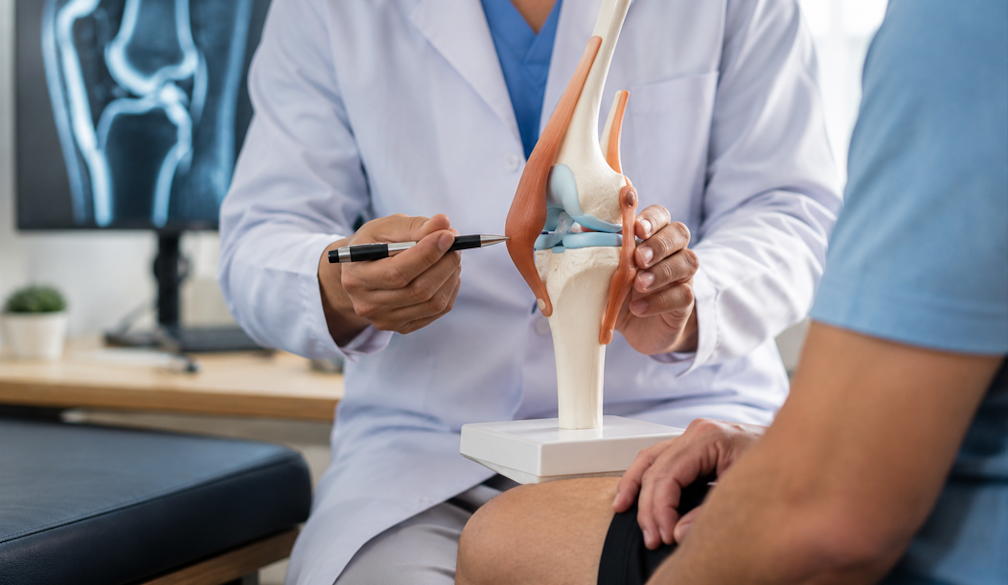
Getting a proper evaluation is usually the clearest way to understand what is happening and what comes next. Consulting an orthopedic specialist about meniscus injury treatment, such as the team at Alps Orthopaedic Centre, can help someone confirm the cause of the knee pain and understand the available treatment options.
What Typically Leads to This Kind of Injury
Most meniscus injuries have an identifiable cause, even if the moment itself felt minor at the time.
A Sudden Twisting Motion During Activity
A person pivoting quickly during a sport or even an everyday task, like turning suddenly while carrying something heavy, can put unexpected stress on the knee joint. This kind of twisting motion, especially when the foot stays planted while the body rotates, is one of the more common ways a meniscus injury occurs.
Gradual Wear From Repeated Movement Patterns
Some meniscus injuries develop more gradually, particularly in people who spend a lot of time in positions that place repeated stress on the knee, like frequent squatting or kneeling required by certain jobs. The wear builds slowly, so a person might not realize that years of repeated movement have contributed to a knee problem until symptoms appear.
Reduced Flexibility From Inconsistent Activity Levels
A person who alternates between long sedentary stretches and occasional bursts of intense activity may be more susceptible to this kind of injury, since muscles and connective tissue around the knee may not be well conditioned. Jumping into a demanding activity after a period of inactivity can place more strain on the joint than the body is prepared to handle.
Understanding How the Body Signals a Problem
Alongside recognizing common causes, paying attention to how the knee responds during daily movement offers useful information for both the individual and their care team.
Noticing Specific Patterns of Discomfort
A person might notice that certain movements, like twisting to reach for something or descending stairs, trigger more discomfort than others, which is a useful detail to share during a medical evaluation. Tracking which specific activities worsen or ease symptoms, rather than describing pain in general terms, tends to give a doctor a clearer picture of what may be causing the problem. Noticing these patterns consistently can also support a more accurate and efficient diagnosis.
Practical Adjustments for Daily Comfort
Small, realistic changes to daily routines can help ease discomfort while someone works through their diagnosis and treatment plan.
Modifying Movements That Trigger Discomfort
Avoiding deep squatting or twisting motions that clearly aggravate symptoms, at least temporarily, can reduce unnecessary strain on the joint. Someone who normally kneels while gardening might switch to using a small stool or cushion instead, so they can continue the activity with less strain.
Supporting the Knee During Extended Activity
Using a supportive brace during activities that require prolonged standing or walking may provide added support while a person manages symptoms. Someone returning to light activity after an initial period of rest might wear a brace specifically during longer outings, if recommended by a healthcare professional.
Moving Forward With Confidence
Meniscus injuries can result from a single sudden movement or gradual wear over time, and understanding which pattern applies to a specific situation can help guide the next steps. Recognizing symptoms early and paying attention to how the knee responds to different activities can make the path toward proper treatment clearer.
Anyone dealing with ongoing knee discomfort after a twisting movement or repetitive strain should consider a professional evaluation rather than waiting for symptoms to resolve on their own. Getting an accurate diagnosis early tends to make treatment more straightforward and recovery easier to plan.