Why Knee Pain Needs More Than a Quick Fix
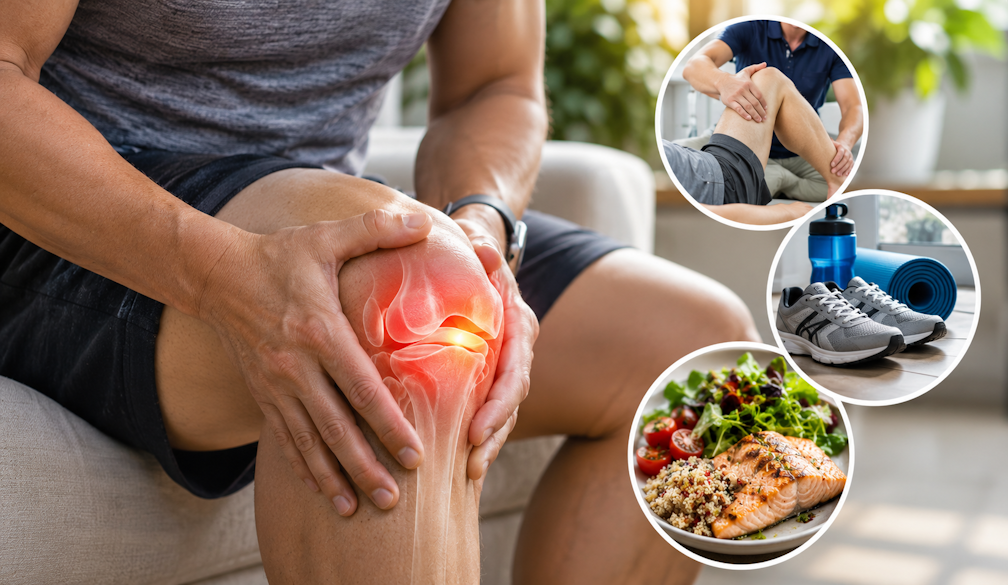
Knee pain has a way of changing your daily routine. A short walk becomes uncomfortable, climbing stairs takes more effort, and even getting out of a chair can remind you that something is wrong. The difficult part is working out whether the problem comes from the joint itself, surrounding muscles, an old injury or gradual wear and tear.
The right approach depends on what is causing the discomfort, how much it affects your movement and what you want to get back to doing. If persistent symptoms are making everyday activities difficult, exploring knee pain treatment in Singapore can help you understand which specialist assessment and treatment options may be relevant to your situation.
Look Beyond The Pain
Your knee is not a simple hinge. It relies on cartilage, ligaments, tendons, muscles and surrounding structures working together. Pain in the same location can therefore have very different causes.
For example, discomfort at the front of the knee when climbing stairs may point towards a problem involving the kneecap. Pain along the inner side could have a different explanation, such as a meniscus injury or joint wear. Swelling after a sudden twist raises other questions.
This is why describing your symptoms matters. Take note of when the pain started, which movements trigger it, whether swelling appears and whether the knee feels unstable. These details can help a specialist narrow down the possible causes rather than treating every painful knee in the same way.
Match Treatment To Cause
A common mistake is choosing treatment based on where the pain occurs instead of understanding why it happens. Two people with similar knee discomfort may need very different plans.
A younger recreational runner with an overuse injury may benefit from activity adjustments and targeted rehabilitation. Someone with advanced osteoarthritis may need a different discussion involving pain management, mobility and potentially surgical options.
Depending on the diagnosis, treatment may include:
- Physiotherapy to improve strength, flexibility and joint control.
- Medication to manage pain or inflammation where appropriate.
- Activity modification to reduce repeated stress on the knee.
- Injections in selected cases, depending on the underlying condition.
- Surgery when structural damage or severe joint disease warrants it.
The important distinction is that relieving pain and correcting its underlying cause are not always the same thing. A treatment that reduces discomfort temporarily may not address the movement pattern or structural problem contributing to it.
Understand The Imaging Trap
An X-ray or MRI can provide useful information, but an abnormal scan does not automatically mean you need an operation.
Consider someone in their late fifties who has knee discomfort and an MRI showing a meniscus tear. The scan may identify a genuine structural change, but that finding needs to be considered alongside the person's symptoms, examination and daily limitations.
Some meniscus changes are also found in people who have little or no knee pain. Treating the scan rather than the person can lead to unnecessary procedures without solving the actual problem.
A useful decision rule is to ask whether the imaging finding explains your symptoms and whether treating that specific finding is likely to improve your function. Your specialist should be able to explain how the scan relates to your clinical assessment.
Know When To Seek Help
Not every episode of knee discomfort requires an immediate specialist appointment. Mild soreness after unfamiliar exercise may settle with rest and sensible activity adjustments.
However, persistent or worsening symptoms deserve closer attention, particularly when they interfere with walking, sleeping or ordinary tasks.
Seek prompt medical assessment if you experience:
- Sudden, significant swelling after an injury.
- Inability to put weight on the affected leg.
- A knee that locks or repeatedly gives way.
- Redness, warmth and fever alongside joint pain.
- Severe pain following a fall or twisting injury.
A hot, swollen knee accompanied by fever can indicate an infection and requires urgent medical attention. Do not assume that every swollen knee is simply an exercise-related problem.
Rehabilitation Is Part Of Recovery
Treatment does not necessarily end when the pain starts to improve. Your knee also needs to regain the strength and control required for everyday movement.
Imagine someone who feels better after several weeks of reduced activity. They return immediately to their previous running distance, only to experience discomfort again. The problem may be that their confidence has returned faster than their physical capacity.
A gradual return is more practical. Depending on your condition and rehabilitation plan, this could involve rebuilding walking tolerance, strengthening the quadriceps and hip muscles, improving balance and gradually increasing exercise intensity.
Progress should be measured by function as well as pain. Being able to climb stairs comfortably, walk for longer or stand from a chair without difficulty may be more meaningful than simply reporting a lower pain score.
Make Decisions For The Long Term
The best treatment decision is not always the one that promises the fastest relief. An injection, for instance, may help manage symptoms in selected conditions, but its benefits, limitations and potential risks need to be weighed against other options. Surgery may be appropriate for certain structural problems, but it also involves recovery time and rehabilitation.
When considering your options, ask three practical questions: What is the likely cause of my symptoms? What improvement can this treatment realistically provide? What happens if I try a non-surgical approach first?
These questions help turn a treatment discussion into a shared decision rather than a choice based on fear or frustration. If you are researching specialist care, you can also learn more about Centurion Orthopaedic Centre and its orthopaedic services.
Knee pain can affect far more than your ability to exercise. It can influence how you work, travel, sleep and enjoy time with other people. Understanding the cause before choosing a treatment gives you a clearer path towards recovery. Rather than chasing temporary relief, focus on restoring the movement and confidence that make everyday life easier.