Asian Spectator


The Times

.

Graduation rates for low-income students lag while their student loan debt soars

  • Written by Robert Samuels, Continuing Lecturer in Writing, University of California, Santa Barbara

Graduation rates for low-income students lag while their student loan debt soars
A green tile that says 40% is the percentage of students who enroll in college but don't earn a degree eight years after high school.
The Conversation, CC BY-ND[1] A recent federal study[2] on graduation rates for American colleges and universities shows that 40% of all students did not earn a degree or credential within eight years of leaving high school. The graduation rate is even lower for low-income students. Among students from families with income levels of US$115,000 or more, 66% who enrolled in higher education earned a bachelor’s degree or higher from 2009 through 2021. However, among students from families who made less than $35,000, 26% earned a bachelor’s degree or higher during the same period. For people whose families had earnings between $35,000 and $55,000, 36% earned these degrees. Many start but don’t finish The problem goes beyond the fact that students from lower-income households are entering higher education at a lower rate than high-income students. Rather, the issue is also that fewer low-income students are graduating. The data also reveals disparities in the graduation rates of different racial and ethnic groups. While 50% of white students earned a bachelor’s degree or higher during this period, only about 29% of Black students did, and 30.4% of Hispanic students earned these degrees[3]. Also, 73% of students who went to a private high school earned a bachelor’s degree or higher, while 42% of public school students attained these degrees. Educational segregation As I indicate in my book, “Educating Inequality[4],” there are many causes for these disparities. One key factor is that low-income students of color tend to go to low-funded higher education institutions with low graduation rates[5]. Meanwhile, most white and Asian students attend highly funded schools with high graduation rates[6]. Moreover, underrepresented minority students tend to major in high-paying STEM disciplines at a much lower rate[7]. According to federal data[8], 20% of white college students earned a STEM degree, while 15% of Hispanic students and 10% of Black students earned degrees in these majors. Since race is highly correlated with income[9] in the United States, one possible solution is to push universities and colleges with high graduation rates to accept and graduate more low-income students. In our current system of de facto educational segregation, however, economic disparities are growing bigger instead of shrinking. Making matters worse is the fact that students of color often leave college with high levels of debt[10]. In 2019, close to a third of Black adults had student debt, while only 20% of white adults bore this burden. Meanwhile, the average level of outstanding student loans for Black borrowers was $30,000, while it was $23,000 for white borrowers. The combination of low graduation rates and high debt can severely reduce the ability to pay off loans. These loans generally cannot be discharged through bankruptcy[11]. Even though President Joe Biden has forgiven some student debt, causing the total owed to decline slightly, there is still $1.727 trillion[12] of outstanding student loans. A significant part of student debt is generated by for-profit colleges that have low graduation rates. In comparison[13] with students who go to public four-year colleges and universities, students who attend for-profit colleges take on $3,000 more debt and default on their loans at twice the rate. At a time when many public and nonprofit colleges and universities are striving to increase diversity on campus[14], their own enrollment and retention practices could be adding to economic and racial inequality.

Authors: Robert Samuels, Continuing Lecturer in Writing, University of California, Santa Barbara
Read more https://theconversation.com/graduation-rates-for-low-income-students-lag-while-their-student-loan-debt-soars-227977

Magazine

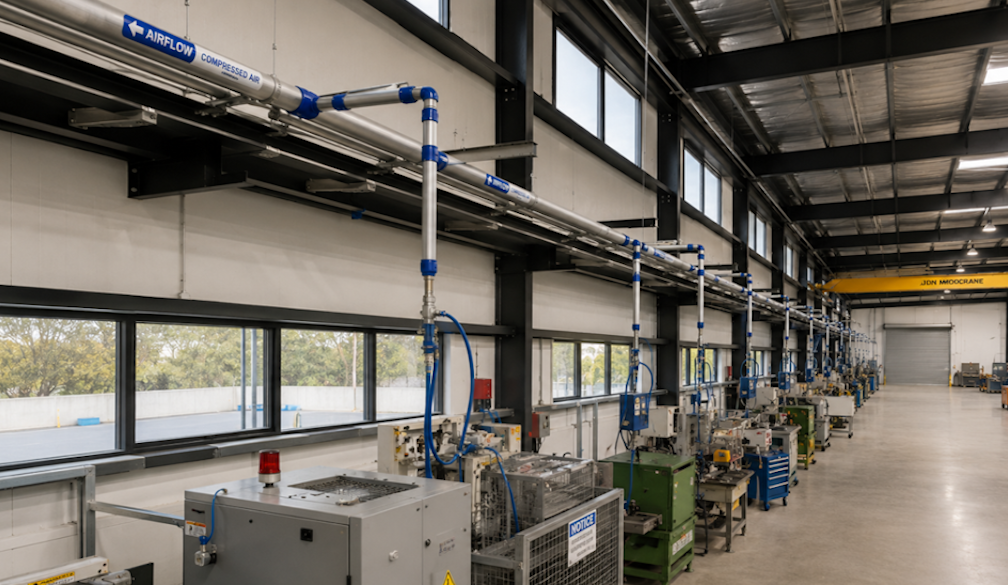
Compressed Air Pipe and Fittings: What Every Australian Industrial Facility Needs to Know

Compressed air is the fourth utility of modern industry, right alongside electricity, gas, and water. Yet despite its critical role in powering everything from pneumatic tools to automated productio...

Common Risks Hidden in Commercial Lease Agreements

Commercial leases are often longer and more complex than tenants expect, and the fine print can carry significant financial and operational consequences over the years that follow. Many business own...

Corporate Secretarial Services in Singapore: Annual Compliance, Key Filings, and Common Mistake

Annual compliance in Singapore should not be treated as a once-a-year administrative event. It is an ongoing governance system that depends on accurate records, timely filings, disciplined approvals...

hacklink hack forum hacklink film izle hacklink z-librarygrandpashabetPadişahbetPadişahbetDizipalStreamEastPadişahbetGalabetjojobetjojobetcasibomhttps://chantilly-montessori-school.vercel.app/esim senegalbetparkbetparktelegram下载zlibrary bookscasino en lignejojobetsuperbetin