You’ve reached your weight loss goal on GLP-1 medications – what now?
- Written by Amy J. Sheer, Associate Professor of Medicine, University of Florida
GLP-1 drugs have ushered in a new era in weight loss[1].
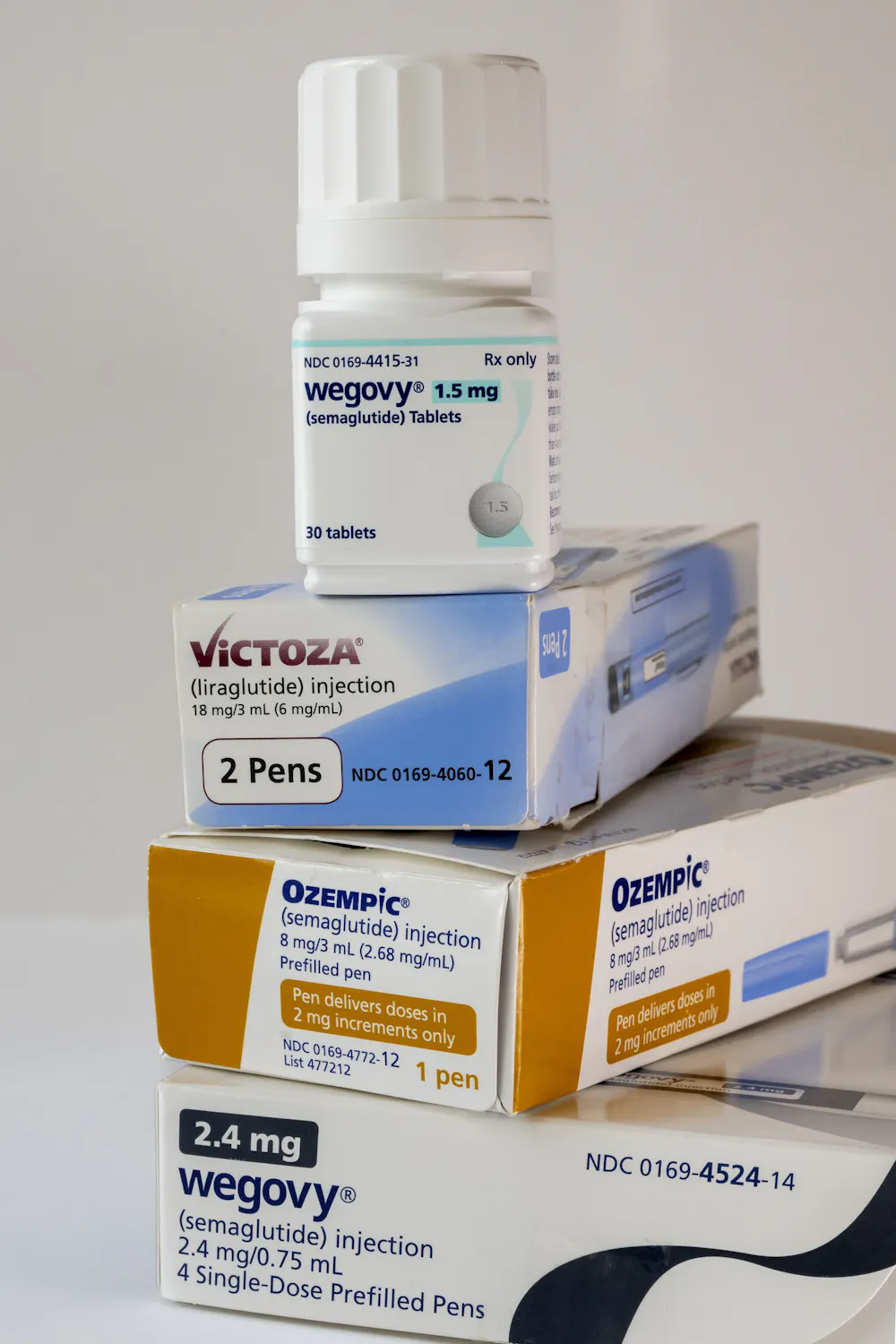
In just a few years, medications such as semaglutide and tirzepatide, known by the brand names Ozempic, Wegovy, Mounjaro and Zepbound, have gone from niche diabetes treatments to household names[2], reshaping how America thinks about weight loss[3].
A November 2025 Kaiser Family Foundation poll found that 1 in 8 U.S. adults have tried a GLP-1 medication[4] for weight loss, diabetes or another condition. And we expect that number to rise now that one of these drugs, Wegovy, has become available in pill form[5], increasing its accessibility for many people.
These drugs’ ability to help patients lose anywhere from 15% to 20% of body weight[6] has made them one of the most powerful nonsurgical obesity treatments ever seen.
GLP-1, short for glucagon-like peptide-1, is a hormone your gut normally makes that helps control blood sugar and appetite after eating. It signals the pancreas to release insulin when blood sugar rises and slows how quickly food leaves the stomach, which helps people feel full sooner[7].
Modern GLP-1 medications are designed to amplify these effects, leading to better blood sugar control and substantial weight loss for many patients[8].
But success brings a new question that millions of people are confronting[9]: What happens after the weight comes off? And just as importantly, what should patients do when their progress suddenly stalls, even while still on the medication?
As an obesity medicine physician[10], I’ve seen firsthand how life-changing GLP-1 drug therapy can be for my patients. But I also remind each of them that no medication – GLP-1s included – replaces the foundational importance of nutrition, physical activity, sleep and mental health. These lifestyle pillars are essential for maintaining muscle and bone health, preventing significant weight regain and supporting long-term cardiovascular and metabolic health.
The key is simple but critical: Every weight-loss or health plan must be tailored to each person.
GLP-1 medications bind to receptors at sites throughout the body, including the stomach and on appetite and reward centers in the brain.How the body responds to weight loss
In 2023, the Centers for Disease Control and Prevention reported that more than 40% of American adults live with obesity[11]. For most people, the real challenge isn’t losing weight – it’s keeping it off.
Researchers have known this for decades. As early as the mid-20th century, studies of commercial diet programs showed that while short-term weight loss was common, regaining weight long term was the norm[12].
This is because when people lose weight, the body’s natural inclination is to return to its previous weight – a phenomenon called metabolic adaptation[13]. As a result, the brain releases more of the hunger hormone[14] ghrelin and dials down leptin[15], one of the hormones that signals fullness and energy sufficiency.
The net effect is simple: After weight loss, people are hungrier, feel less satisfied after eating and burn fewer calories than expected. The body interprets weight loss as a threat to survival and responds by slamming the brakes on metabolism through sophisticated energy-conserving mechanisms. Put plainly, when there’s less body weight to maintain, the body does less work – but it also becomes extra efficient, burning fewer calories than predicted and nudging weight back up[16].
Add to that an environment filled with ultraprocessed foods[17], oversized portions[18], high stress[19] and limited time for movement[20], and it’s no surprise that so many people’s weight ends up yo-yoing despite their best efforts.
Putting GLP-1 drugs to the test
Clinical trials on GLP-1 medications also follow these well-established patterns. A pivotal 2021 clinical study of more than 1,900 adults, known as the STEP 1 trial, laid the groundwork for the use of these drugs[21] as a treatment for weight loss.
But a follow-up 2021 study, known as STEP 4, showed that within 48 weeks of no longer taking semaglutide, participants regained approximately two-thirds of their prior weight loss, while those who remained on GLP-1 drug therapy continued to lose weight[22].
This is not because people lack discipline, but rather because their biology fights hard to return to its old set point[23].
Lower-cost, longer-term maintenance
Although obesity is now widely recognized as a chronic disease[25], clinical guidance has not kept pace[26] with this new generation of highly effective medications.
For most patients, the most effective long‑term strategy after achieving a target weight is to continue GLP‑1 treatment. Clinicians aim for the lowest dose that still helps regulate appetite and stabilize weight.
Another option patients may pursue is to slowly taper off the drugs[27] over about three to six months and to focus on reinforcing lifestyle choices that support goals for overall health and weight maintenance.
When your weight plateaus on a GLP‑1 drug
Plateaus in weight loss are normal, even on GLP‑1 drug therapy.
In clinical trials, weight loss with GLP-1 medications tends to follow a predictable curve[28]: rapid early losses during drug initiation and dose increases, a gradual slowing and eventual plateau. A plateau, typically defined as little or no weight change for eight to 12 weeks, is not a sign of failure but rather the body adapting to a lower weight.
But before assuming that a GLP-1 medication has stopped working, clinicians will typically consider how the patient is using the drug, such as whether it’s being taken properly, with little to no missed doses, and whether it is being stored properly.
Clinicians will also evaluate a patient for medical conditions that might make weight loss more challenging, such as perimenopause[29] or hypothyroidism[30], which is underactive thyroid.
They will also take into consideration whether the patient is on other drugs that might be obesogenic, meaning causing weight gain, or if they are using an FDA-approved GLP-1 drug versus a compounded medication[31], which can have variable quality and unknown efficacy[32].

Balancing weight loss with bone health
Helpful strategies to prevent weight regain related to diet include building meals around lean protein and noticing where calories might be creeping in, such as snacks, sugary drinks and alcohol.
With GLP-1 drugs, the goal for nutrition has shifted from calorie restriction to calorie quality. Aim for a healthy balance of vegetables, lean proteins and whole grains. And make sure your water intake is sufficient, especially since GLP-1 medications not only reduce hunger but can also reduce feeling thirsty[34].
When it comes to movement and exercise, people can add[35] resistance training[36], increase their exercise intensity or both.
With any weight loss, no matter the method, people lose not only fat but also some muscle and bone. In clinical trials of GLP-1 medications, fat loss far outweighs losses of lean mass. However, any loss of lean mass matters because it can affect physical function, fracture risk and how well the body maintains weight and metabolic health over time[37].
Weight loss reduces the mechanical load on bones, which can lead to lower bone density and, in some people – such as those who are postmenopausal, as well as people over age 65 – an increased risk of fracture. Because bones adapt to the weight they carry, losing weight means less stress on the skeleton, and over time this can lead to small decreases in bone strength. This underscores the importance of resistance exercise for strength training[38], adequate protein intake during GLP-1 therapy and close monitoring for patients who are at higher risk of fracture[39].
Next-generation therapies[40], which include combinations of GLP-1 drugs and other peptides, are being studied for their potential to better preserve muscle and bone compared with GLP-1 drugs alone.
Patients on GLP-1 drugs who are experiencing a plateau[41] may also want to talk with their doctor about considering a dose adjustment, medication switch or adding an additional drug[42].
If GLP-1 medication doses cannot be increased due to side effects, doctors will consider all options for other medications and for optimizing lifestyle, such as nutrition, exercise and sleep, to support the patient’s goals.
References
- ^ ushered in a new era in weight loss (doi.org)
- ^ niche diabetes treatments to household names (doi.org)
- ^ reshaping how America thinks about weight loss (www.statnews.com)
- ^ 1 in 8 U.S. adults have tried a GLP-1 medication (www.kff.org)
- ^ become available in pill form (abcnews.go.com)
- ^ anywhere from 15% to 20% of body weight (doi.org)
- ^ helps people feel full sooner (www.ncbi.nlm.nih.gov)
- ^ substantial weight loss for many patients (doi.org)
- ^ millions of people are confronting (bmjgroup.com)
- ^ obesity medicine physician (internal.medicine.ufl.edu)
- ^ 40% of American adults live with obesity (blogs.cdc.gov)
- ^ regaining weight long term was the norm (doi.org)
- ^ metabolic adaptation (doi.org)
- ^ brain releases more of the hunger hormone (doi.org)
- ^ dials down leptin (doi.org)
- ^ nudging weight back up (doi.org)
- ^ ultraprocessed foods (publichealth.jhu.edu)
- ^ oversized portions (www.healthline.com)
- ^ high stress (theconversation.com)
- ^ limited time for movement (theconversation.com)
- ^ laid the groundwork for the use of these drugs (clinicaltrials.gov)
- ^ continued to lose weight (doi.org)
- ^ fights hard to return to its old set point (www.rethinkobesity.com)
- ^ UCG/Universal Images Group via Getty Images (www.gettyimages.com)
- ^ widely recognized as a chronic disease (www.who.int)
- ^ clinical guidance has not kept pace (obesityassociation.org)
- ^ slowly taper off the drugs (doi.org)
- ^ tends to follow a predictable curve (doi.org)
- ^ perimenopause (www.mayoclinic.org)
- ^ hypothyroidism (www.mayoclinic.org)
- ^ versus a compounded medication (www.youtube.com)
- ^ variable quality and unknown efficacy (doi.org)
- ^ MoMo Productions/DigitalVision via Getty Images (www.gettyimages.com)
- ^ reduce feeling thirsty (doi.org)
- ^ can add (theconversation.com)
- ^ resistance training (theconversation.com)
- ^ maintains weight and metabolic health over time (doi.org)
- ^ resistance exercise for strength training (doi.org)
- ^ higher risk of fracture (doi.org)
- ^ Next-generation therapies (doi.org)
- ^ experiencing a plateau (doi.org)
- ^ adding an additional drug (doi.org)
Authors: Amy J. Sheer, Associate Professor of Medicine, University of Florida
Read more https://theconversation.com/youve-reached-your-weight-loss-goal-on-glp-1-medications-what-now-270413