Asian Spectator


The Times

.

SETI’s ‘Noah’s Ark’ – a space historian explores how the advent of radio astronomy led to the USSR’s search for extraterrestrial life

  • Written by Gabriela Radulescu, Guggenheim Postdoctoral Fellow, Smithsonian Institution
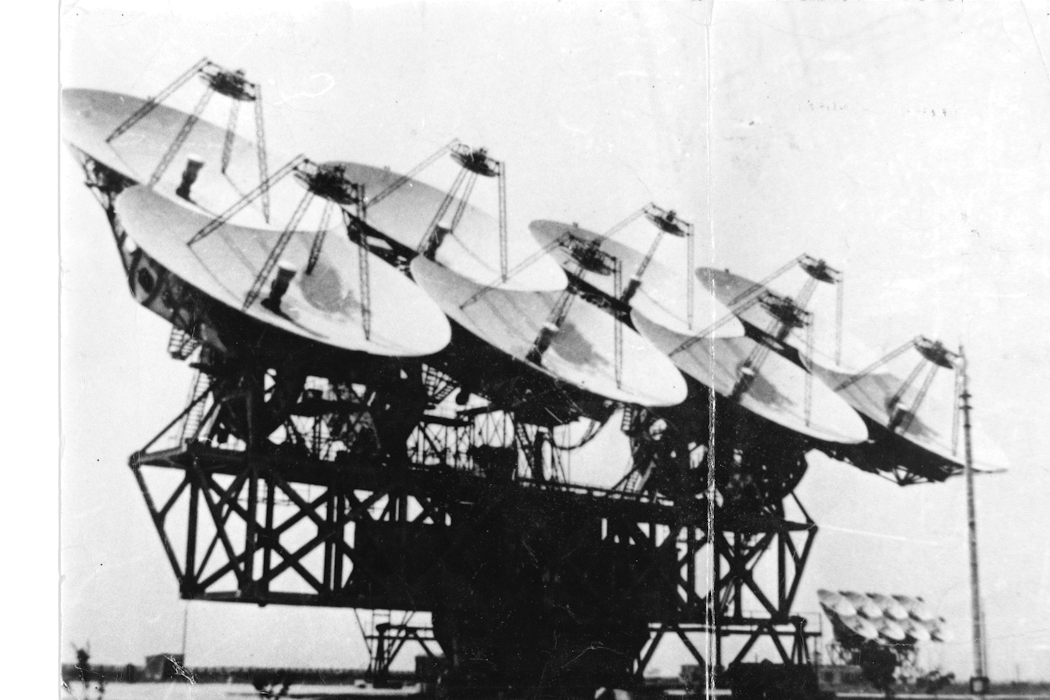
SETI’s ‘Noah’s Ark’ – a space historian explores how the advent of radio astronomy led to the USSR’s search for extraterrestrial lifeThe planetary radar, built in 1960 in Crimea, from which the Morse signal 'MIR, Lenin, USSR' was sent in November 1962.National Radio Astronomy Observatory Archive

As humans began to explore outer space in the latter half of the 20th century, radio waves proved a powerful tool. Scientists could send out radio waves to communicate with satellites,...


Magazine

Compressed Air Pipe and Fittings: What Every Australian Industrial Facility Needs to Know

Compressed air is the fourth utility of modern industry, right alongside electricity, gas, and water. Yet despite its critical role in powering everything from pneumatic tools to automated productio...

Common Risks Hidden in Commercial Lease Agreements

Commercial leases are often longer and more complex than tenants expect, and the fine print can carry significant financial and operational consequences over the years that follow. Many business own...

Corporate Secretarial Services in Singapore: Annual Compliance, Key Filings, and Common Mistake

Annual compliance in Singapore should not be treated as a once-a-year administrative event. It is an ongoing governance system that depends on accurate records, timely filings, disciplined approvals...

hacklink hack forum hacklink film izle hacklink z-libraryสล็อตสล็อตjojobetstakejojobetStreamEastStreamEasthitbet girişroyalbetjojobetjojobetcasino siteleriPadişahbetPadişahbetDizipalStreamEastPadişahbetGalabetmostbetjojobetjojobetcasibomhttps://chantilly-montessori-school.vercel.app/esim senegalbetparkbetparkmeritkingtelegram下载jojobetgrandpashabetcasibomjojobetatlasbetatlasbetmarsbahis