Asian Spectator


The Times

.

Japan's 'waste not, want not' philosophy has deep religious and cultural roots, from monsters and meditation to Marie Kondo's tidying up

  • Written by Kevin C. Taylor, Director of Religious Studies and Instructor of Philosophy, University of Memphis
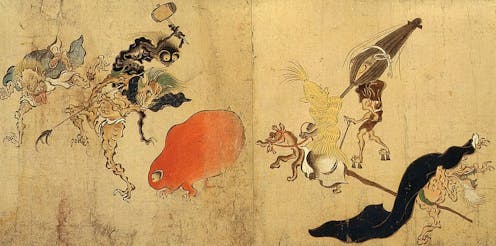
Japan's 'waste not, want not' philosophy has deep religious and cultural roots, from monsters and meditation to Marie Kondo's tidying upMonsters and spirits –including 'tsukumogami,' which are made of everyday objects – in the 'Hyakki-Yagyō-Emaki' scroll, painted between the 14th and 16th centuries.Wikimedia Commons

The word “waste” is often frightening. People fear not making the most of their time, whether at work or at leisure, and failing to live...


Magazine

Corporate Secretarial Services in Singapore: Annual Compliance, Key Filings, and Common Mistake

Annual compliance in Singapore should not be treated as a once-a-year administrative event. It is an ongoing governance system that depends on accurate records, timely filings, disciplined approvals...

Why Early Protection of Intellectual Assets is Critical

For many businesses, intellectual assets are among the most valuable things they own, yet they're often the last to receive formal legal protection. A brand name or a proprietary process can represe...

Konservasi gaya lama tak efektif: Pemulihan Aceh perlu warga dengan ekonomi yang merawat hutan

shutterstock(Manthofana/Shutterstock)● Peminggiran warga dari konservasi hutan Lingga Isaq menjadi salah satu faktor yang memperparah dampak bencana.● Pertanian monokultur dan tambang emas...

hacklink hack forum hacklink film izle hacklink z-libraryVaycasinoDeneme bonusu veren siteler 2026Deneme bonusu veren siteler 2026Vaycasinojojobet giriş爱思助手下载telegram下载matbetgrandpashabetgrandpashabet twiter xbetparktelegram webbetasus girişcasibomjojobetmeritkingbodrum escortcratosroyalbetagen bolagrandpashabetcasibomholiganbetjojobetgrandpashabetcasibomholiganbetjojobet