Small Cockroaches in the Kitchen: When Is It a Sign of a Serious Infestation?
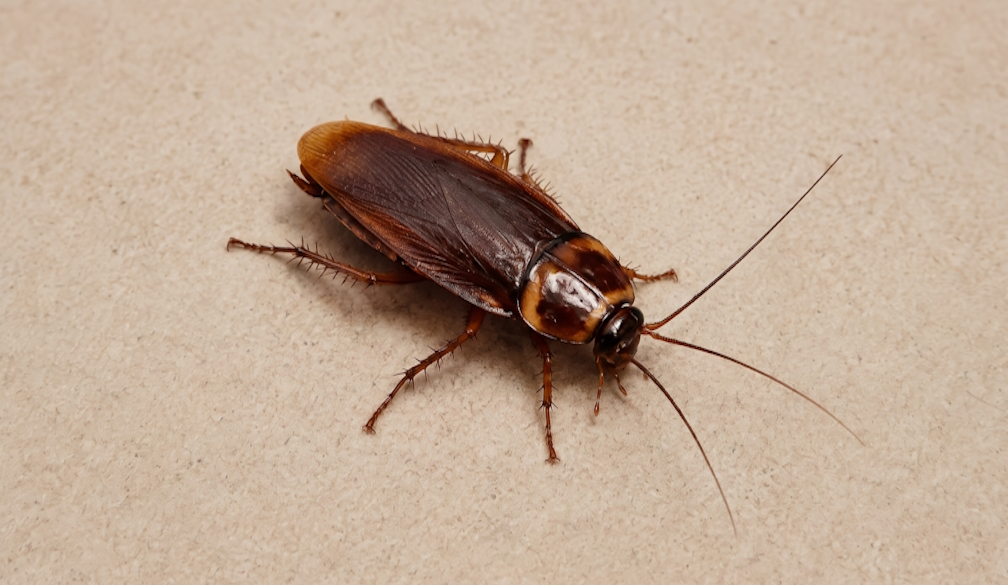
Seeing a large cockroach near an open doorway is unpleasant, but discovering several tiny cockroaches inside a kitchen cupboard can indicate a different problem.
Small cockroaches are sometimes dismissed as harmless young insects that will eventually disappear.
In reality, repeated sightings may mean cockroaches are breeding somewhere nearby.
For Sydney homeowners and tenants, recognising the difference between occasional pest activity and an established indoor infestation can help prevent the problem from becoming harder to manage.
Why Are There Tiny Cockroaches in Your Kitchen?
Small cockroaches may be immature insects, commonly called nymphs, or adults belonging to smaller species.
German cockroaches are especially associated with indoor kitchen infestations.
These insects prefer sheltered spaces close to food, warmth and moisture.
They may hide behind refrigerator motors, inside cupboard joints or in narrow gaps surrounding appliances.
When immature cockroaches appear repeatedly, it can suggest that breeding is occurring within or close to the property.
However, accurate identification is important because not every small insect found in a kitchen is a cockroach.
How Can You Tell Whether Cockroaches Are Breeding Indoors?
The strongest clues usually involve patterns rather than a single sighting.
Repeated Sightings in the Same Location
If small cockroaches regularly appear around a dishwasher or kitchen sink, investigate that area.
Consistent activity may indicate a nearby hiding place.
Cockroaches of Different Sizes
Finding insects of different developmental stages can suggest an established population.
This is particularly concerning when sightings occur over several days or weeks.
Droppings Around Hinges and Cabinet Corners
Cockroach droppings can resemble dark specks.
They are often discovered around concealed edges rather than open benchtops.
Activity During Daylight
Although some cockroaches may appear during the day for several reasons, frequent daytime sightings can warrant closer investigation.
A professional identification is more useful than estimating infestation severity from one sign alone.
Why Can Small Cockroach Infestations Spread Quickly?
German cockroaches can reproduce rapidly when temperatures, shelter and food availability are favourable.
Kitchens provide several of these conditions.
Once insects occupy spaces behind fixed cabinetry or appliances, ordinary cleaning may not reach them.
An infestation may also spread when contaminated appliances, cardboard boxes or stored equipment are moved.
In apartment buildings, shared structural openings can create further opportunities for movement.
Why Spraying Every Visible Cockroach Is Not Enough
Surface treatment may address insects that are exposed at the time of spraying, but concealed cockroaches can remain unaffected.
Overusing household pesticides can create additional safety concerns without solving the source of the infestation.
An appropriate management plan considers the species, location, infestation extent and available treatment options.
This is why an assessment through Cockroach Pest Control Sydney may be worthwhile when small cockroaches continue appearing despite cleaning and basic prevention.
The goal should be to understand the activity rather than repeatedly treating only the places where insects are seen.
What Should You Do When You Find Baby Cockroaches?
Begin by documenting where the insects appear.
Check accessible cupboard corners, plumbing openings and spaces around appliances without dismantling electrical equipment.
Remove food residue and clean grease from reachable surfaces.
Store dry food in secure containers and repair obvious leaks.
Avoid moving potentially infested appliances into unaffected rooms.
If living in rented accommodation, notify the property manager, particularly when there is evidence that activity extends beyond your unit.
Can Sticky Monitors Help?
Appropriately placed monitoring traps can help show where cockroaches are active.
They are useful for gathering information but should not be mistaken for a complete solution to an established infestation.
Keep monitoring devices away from children, pets and food-contact areas, following product instructions.
How Can You Avoid Bringing Cockroaches Into a New Home?
Moving house creates an opportunity for concealed cockroaches to travel inside belongings.
Inspect second-hand microwaves, coffee machines and other kitchen equipment carefully.
Avoid transferring old cardboard packaging unnecessarily.
Check stored items before unpacking them in a new kitchen.
If an infestation is already known, seek appropriate advice before moving potentially contaminated appliances.
Preventing accidental transfer can be easier than managing an infestation after it becomes established.
How Do You Know Whether Treatment Has Worked?
A reduction in visible insects can be encouraging, but results need to be assessed over time.
Some treatment programmes require follow-up visits or monitoring, depending on the species and severity.
Keep a record of sightings, including location and date.
If activity persists, discuss whether untreated harbourage, ongoing movement from adjoining premises or another contributing factor needs attention.
Do not assume that one quiet evening confirms complete elimination.
Frequently Asked Questions
Are small cockroaches worse than large ones?
Size alone does not determine risk. Repeated sightings of small indoor cockroaches can indicate breeding and deserve investigation.
Can cockroaches live inside a refrigerator?
They may hide around warm motor compartments and external appliance cavities, rather than inside the refrigerated food compartment.
Should I throw away kitchen appliances?
Not automatically. An appropriate inspection can help determine whether an appliance needs cleaning, treatment or replacement.
Conclusion
Small cockroaches should not be ignored simply because they are difficult to see.
Repeated sightings, insects of different sizes and activity around kitchen equipment can indicate a developing infestation.
Identifying the pest correctly, investigating hidden areas and improving prevention measures gives Sydney households a more reliable basis for deciding what to do next.