Futures Trading Basics: Contracts, Margin and Strategies for New Traders
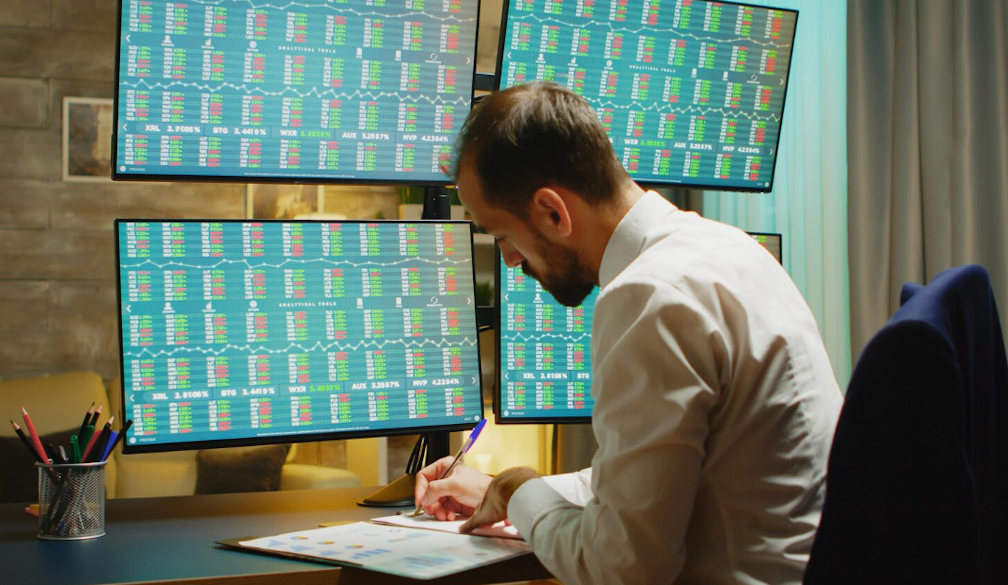
Futures trading is one of the most versatile and dynamic ways to participate in global markets. From commodities and currencies to indices and energy products, futures contracts allow traders to speculate on price movement with precision, leverage and defined risk parameters. But for new traders, understanding how futures work — especially concepts like contracts, margin, and strategy — is essential before taking any real-world positions. This guide provides a complete, practical breakdown tailored for aspiring and professional traders at N P Financials.
What Is Futures Trading?
Futures trading involves buying or selling a contract that obligates the trader to exchange an asset at a predetermined price on a future date. These contracts track the value of underlying markets such as commodities, indices, currencies, or energy products.
Unlike spot trading, where you buy or sell the asset itself, futures allow you to trade price expectations without owning the underlying product. Futures markets are popular because they offer transparency, liquidity, and the ability to profit in rising or falling markets. Whether you are right about direction, volatility, or momentum, futures provide structured pathways to execute your trading ideas.
What Is a Futures Contract and How Does It Work?
A futures contract is a standardised agreement to buy or sell an asset at a fixed price on a specified future date, traded on regulated exchanges like the CME or ICE.
Each contract includes details such as the asset type, contract size, expiry month, tick size, and tick value. Because the contract specifications are fixed, traders globally understand exactly what each futures contract represents.
Instead of paying the entire contract value, traders only deposit margin — a fraction of the total amount — giving them leveraged exposure. Futures contracts are marked-to-market daily, meaning gains and losses are settled automatically as prices move.
Why Are Futures Popular Among Professional Traders?
Futures are popular because they offer leverage, liquidity, low transaction costs, and the ability to hedge or speculate with high precision.
Professional traders love futures because:
- They are exchange-traded, not over-the-counter, ensuring transparency.
- Liquidity is extremely high, enabling smooth entries and exits.
- Leverage magnifies returns when managed correctly.
- Futures allow traders to hold short positions without restrictions.
- Margin requirements are set by exchanges, keeping risk controlled.
For new traders, learning futures builds a strong foundation in market structure, volatility, and risk management.
What Is Margin in Futures Trading?
Margin in futures trading is the initial deposit required to open a position and maintain exposure to a contract. It is not a fee but a performance bond ensuring you can cover potential losses.
There are two key types of margin:
Initial Margin: The minimum amount required to open a position.
Maintenance Margin: The minimum account balance you must maintain to keep the trade active.
If your balance falls below the maintenance margin, your broker issues a margin call, requiring you to deposit more funds. This structure keeps traders accountable and prevents excessive leverage.
How Does Leverage Work in Futures?
Leverage in futures allows traders to control large contract values with relatively small deposits.
For example, if a futures contract is worth $100,000 and the margin requirement is $5,000, you effectively control a 20:1 leveraged position.
While leverage increases profit potential, it also magnifies losses. This is why professional traders emphasise risk management, stop-loss placement, and rule-based strategies to protect their accounts.
What Markets Can You Trade With Futures?
You can trade futures contracts in commodities, indices, currencies, interest rates, metals, energy, and agricultural products.
Some popular futures include:
- Gold and Silver Futures – for volatility and safe-haven sentiment.
- Crude Oil Futures – driven by global supply-demand shifts.
- Index Futures (e.g., S&P 500) – ideal for trend and momentum traders.
- Currency Futures (e.g., EUR/USD) – used for hedging and speculation.
- Agricultural Futures (Corn, Wheat, Soybean) – influenced by seasonality.
These markets allow traders to diversify their strategies and adapt to global economic events.
Key Strategies Every New Futures Trader Should Learn
What Is Trend-Following in Futures Trading?
Trend-following is a strategy where traders enter trades in the direction of sustained market momentum, using price structure, moving averages, or breakout rules to guide entries.
This strategy works because futures markets often develop strong directional moves during economic releases, seasonal shifts, or institutional flows.
Trend-followers:
- Buy when price forms higher highs and higher lows.
- Sell when price forms lower highs and lower lows.
- Use pullback entries to manage risk and optimise timing.
Trend-following is ideal for new traders because it is logical, rule-based and easy to backtest.
How Does Range Trading Work in Futures?
Range trading involves identifying horizontal support and resistance levels and trading reversals within those boundaries.
Futures often move sideways during quiet sessions or consolidation phases, creating predictable “range zones.”
In a range:
- Traders buy near support.
- Traders sell near resistance.
- Stops are placed beyond the boundaries.
This strategy helps new traders develop discipline and patience while learning market structure.
What Is Breakout Trading and Why Is It Effective?
Breakout trading focuses on entering trades when the market escapes a tight range or key level with strong momentum. Breakouts often produce fast, powerful moves, especially in futures.
Breakout strategies are effective because futures markets respond sharply to:
- Economic data releases
- Institutional positioning
- Seasonal cycles
- News events
Traders look for consolidation periods followed by sudden expansion — a pattern that generates high-probability opportunities.
Should New Traders Try Scalping Futures?
Scalping is a fast-paced strategy where traders attempt to capture small intraday moves with quick entries and exits.
While scalping works well in high-liquidity markets like index futures, it demands precision, discipline, and low latency. It’s not recommended for absolute beginners but can be mastered once traders understand structure and timing.
What Risks Should New Futures Traders Consider?
Risk in futures trading comes from leverage, volatility, and incorrect sizing.
Key risks include:
- Over-leveraging positions
- Not understanding contract specifications
- Misplacing stops due to volatility spikes
- Holding positions close to expiry without a plan
This is why N P Financials emphasises education, rule-based systems, and strong risk management before live trading.
About the Author
Partha Banerjee – Founder & Head Trader, N P Financials
Partha brings more than 30,000 hours of Market Research & Development and holds professional credentials including:
- Certified Financial Technician (CFTe)
- Diploma of Technical Analysis
- DER (GA) – Derivatives (General Advice)
- Tier 1 & Tier 2 Technical Analysis
- Foreign Exchange (Personal Advice)
- Advisor Compliance Solution in Specialist Knowledge – Securities
- Diploma of Financial Planning
Having trained over 33,000 traders worldwide, Partha specialises in helping traders transition from emotional, inconsistent decision-making to disciplined, rule-based professional performance.
Connect with Us
When you need support, we’re here for you. Reach out through any of the following channels:
- Contact Us: Visit our website or drop by our office.
- Email: info@npfinancials.com.au
- Live Chat: Connect with our experts in real time.
- Phone: +61 3 9790 6476
- Mobile: Reach us anytime.
- WhatsApp, Messenger, SMS, Telegram, and Discord: Choose your preferred platform.